Water Extraction & Removal in Woodstock, GA
Standing water keeps wicking into drywall, carpet pad and subfloor for as long as it sits. The extraction crew pulls it out first with truck-mounted equipment, then maps what is still wet before a single fan goes down.
(888) 532-4616Get Woodstock water extraction started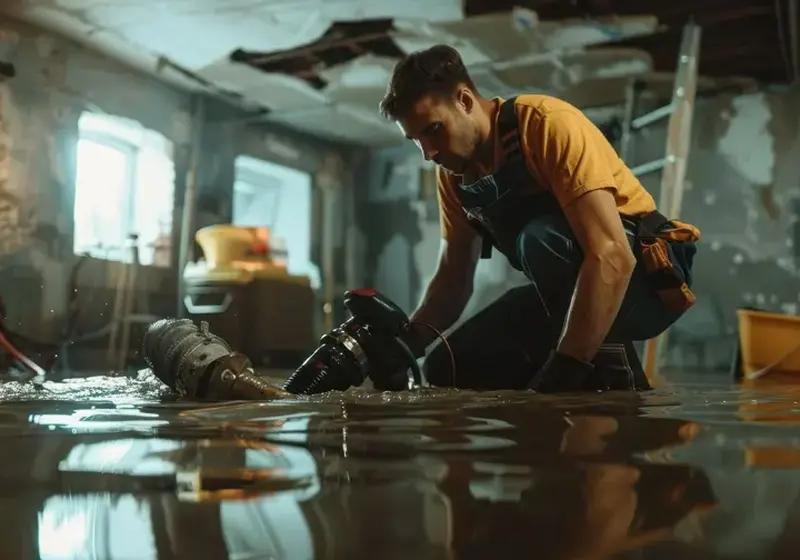
What to do first about water extraction in Woodstock
- 1Stop the sourceShut the main valve or the appliance supply if you can reach it safely.
- 2Cut power to wet roomsSwitch off breakers for any room where water is near outlets, but only if the panel is dry.
- 3Stay out of deep waterStanding water near outlets or appliances can be energized.
- 4Lift and photographMove rugs and small furniture off the floor, then photograph every wet area.
- 5CallThe sooner extraction starts, the less material has to come out.
How water extraction is handled in Woodstock, GA
- 1
Walkthrough and map
The tech notes the water source and category and maps moisture with meters and thermal imaging.
- 2
Extract
The extraction crew pulls standing water with truck-mounted equipment.
- 3
Set drying
Air movers and LGR dehumidifiers go in, sized to each room's evaporation load.
- 4
Verify and document
Daily readings are logged until materials reach the drying goal.
What does water extraction cost in Woodstock, GA?
In Woodstock, GA, water extraction and drying for a contained clean-water loss typically runs $800 to $2,500. Larger or dirtier losses that reach several rooms or a full basement often run $2,500 to $7,500 or more.
One room, clean water
- Truck-mounted extraction
- Air movers and one dehumidifier
- Daily moisture readings
Several rooms or a basement
- Carpet pad removal
- Baseboard and wall checks
- Multiple dehumidifiers
Gray or black water
- Porous materials removed
- Antimicrobial treatment
- Containment where needed
These are typical ranges, not a quote. The drivers are the water category, the square footage, the material class and how fast drying started. For a closer planning number, try the water damage cost calculator.
Extraction is the cheapest drying there is. Every gallon the extraction crew pulls out as liquid is a gallon the dehumidifiers never have to pull out of the air, which is why the first hours of a water loss decide most of the final bill.
Why extraction comes before drying equipment
Air movers and dehumidifiers are built to evaporate moisture from materials, not to move standing water. When a basement in Towne Lake or a kitchen in Bradshaw Farm still has water on the floor, running fans only spreads humidity into rooms that were dry. The extraction crew works the other way around: pull the bulk water, then dry what is left.
- Truck-mounted units carry the water out of the house instead of into a bucket
- Weighted extraction tools press water out of carpet and pad
- Portable units reach upstairs rooms and tight crawl spaces
- Squeegees and pumps handle deep water on concrete
Moisture mapping after the water is gone
Once the floor looks dry, the tech who does the walkthrough uses thermal imaging and pinless meters to find water that moved behind baseboards, under cabinets and into the bottom plate of the walls. That map decides where the air movers go, how many LGR dehumidifiers the room needs and whether any drywall has to be opened.
Trade fact: a room is not dry when it looks dry. Most crews compare daily readings against a dry reference material in an unaffected part of the same house and pull equipment only when the wet material sits within 2 to 4 points of it.
Water extraction in Woodstock homes
Many Woodstock houses built since the late 1980s sit on sloped lots with finished daylight basements, so extraction calls often start on the lowest level. Red clay holds water against the foundation after a heavy storm, and that water finds the slab joint or a wall crack. Upstairs, the usual sources are a failed washer hose, a water heater in the garage or a clogged AC drain in the attic. See basement flooding cleanup and structural drying for the steps that follow extraction.
For flood safety before anyone steps into standing water, Ready.gov flood safety lays out the basics, and the EPA home moisture cleanup page explains why wet materials need to be dried within 24 to 48 hours.
Water extraction across Woodstock, GA
The Woodstock restoration crew handles water extraction in downtown Woodstock, Towne Lake, Eagle Watch, Bradshaw Farm and the Highway 92 and Sixes Road corridors, ZIP codes 30188 and 30189, with Holly Springs, Canton, Hickory Flat, Acworth, Kennesaw, Mountain Park, Roswell and Milton close by.
Water Extraction and Removal questions in Woodstock, GA
How fast should standing water be removed?
As soon as it is safe. Water keeps wicking into drywall, pad and subfloor for as long as it sits, and mold can start growing inside 24 to 48 hours.
Can I use a shop vacuum instead?
A shop vacuum helps with a small spill, but it cannot pull water out of carpet pad or the bottom of walls. Truck-mounted extraction and moisture mapping catch what a shop vac leaves behind.
Does wet carpet always have to be thrown out?
Not with clean water caught early. The pad usually comes out, but the carpet can often be dried and relaid. Carpet touched by sewage or floodwater is removed.
How is hidden water found after extraction?
The tech uses thermal imaging and pinless meters along baseboards, under cabinets and at the base of walls, then marks a moisture map for the drying plan.
How long does drying take after extraction?
A contained Class 1 or 2 loss usually dries in three to five days. Hardwood, plaster and multi-layer floors take longer, and equipment leaves on readings, not a date.
Is water extraction covered by insurance?
Sudden and accidental water, like a burst supply line, is often treated differently from flooding or a slow leak. Coverage depends on your policy, so it is worth checking with your own insurer.
Related water damage services in Woodstock
Water damage in Woodstock right now?
The restoration team extracts standing water, dries the structure to the IICRC S500 standard and documents every step for your insurance claim.
(888) 532-4616Call for water extraction in WoodstockWoodstock Water Damage Restoration
Woodstock, GA · Cherokee County
Open 24 hours, 7 days a week