Basement Flooding Cleanup in Woodstock, GA
Finished daylight basements are everywhere in Woodstock, and red clay pushes storm water straight at them. The restoration team pumps the water out, dries the framing behind the drywall and documents the loss for your claim.
(888) 532-4616Get Woodstock basement flooding cleanup started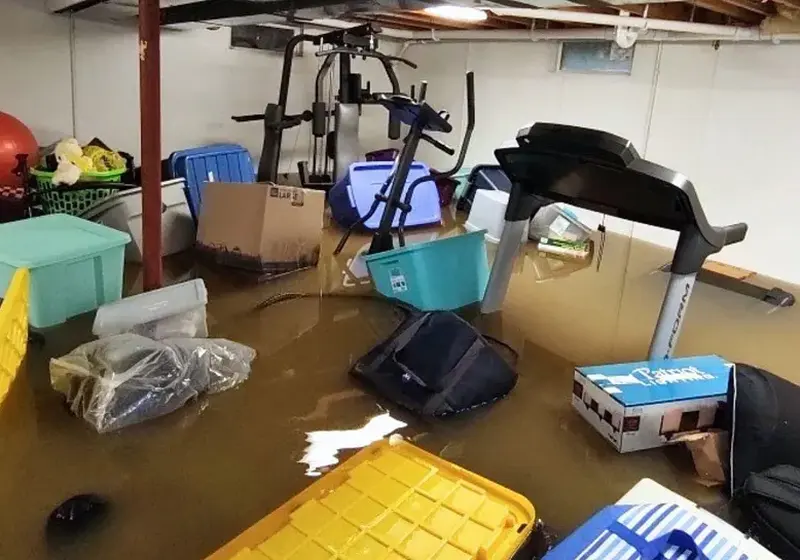
What to do first about basement flooding cleanup in Woodstock
- 1Stay off the stairs if water is deepDeep water near outlets, a furnace or a water heater can be energized.
- 2Cut power if the panel is drySwitch off the basement circuits only if you can reach the panel without standing in water.
- 3Find the source if you canNote whether water came through a wall, a drain or a pipe.
- 4Move and photographLift what you can off the floor and photograph every wall and corner.
- 5CallThe sooner the water is out, the more drywall and flooring can be saved.
How basement flooding cleanup is handled in Woodstock, GA
- 1
Source and category
The tech identifies where the water came from and sets the category.
- 2
Pump and extract
The extraction crew removes standing water from the slab and carpet.
- 3
Open and dry
Wet drywall and insulation are cut back and the framing is dried with air movers and LGR units.
- 4
Verify and document
Readings are logged daily until the slab and studs meet the drying goal.
What does basement flooding cleanup cost in Woodstock, GA?
In Woodstock, GA, basement flooding cleanup typically runs $1,500 to $4,000 for a clean-water loss caught early and $4,000 to $12,000 or more for a fully finished basement or water from the sewer.
Unfinished or partly finished
- Extraction and pumping
- Air movers and dehumidifiers
- Daily readings
Finished basement
- Flood cuts and insulation removal
- Carpet and pad removed
- Framing dried in place
Sewer or floodwater
- Category 3 handling
- Porous materials removed
- Antimicrobial and containment
These are typical ranges, not a quote. The drivers are the water category, the square footage, the material class and how fast drying started. For a closer planning number, try the water damage cost calculator.
A basement floods from one of three places: the ground outside, the plumbing inside or the sewer below. The restoration team starts by finding out which one, because that sets the water category and decides how much of the finished space can be dried in place.
Why Woodstock basements take on water
Towne Lake, Eagle Watch and Bradshaw Farm were built across rolling Piedmont hills, and many houses have a finished basement dug into the slope with a walkout door on the low side. Red clay drains slowly, so after a long summer thunderstorm the soil stays saturated and presses water against the foundation walls.
- Hydrostatic pressure through the joint where the slab meets the wall
- Downspouts that empty right next to the foundation
- Window wells and walkout thresholds that fill in a downpour
- A water heater, washer or supply line failing on the lowest level
How a flooded basement is dried
The extraction crew pumps and extracts the standing water first. The tech who does the walkthrough then checks the drywall, insulation and bottom plates with meters and thermal imaging. Where the drywall is saturated, the mitigation team makes a flood cut a short distance above the wet line so air can reach the studs, then sets air movers and LGR dehumidifiers until the framing reads dry.
Trade fact: groundwater that seeps through a wall is usually treated as Category 2. Water that rose from a floor drain or came back from the sewer is Category 3, and porous materials it touched are removed, not dried.
After the basement is dry
Drying fixes the damage, not the cause. Gutters, downspout extensions, grading and sometimes a sump system are what keep the next storm out. The basement seepage risk check scores the usual Woodstock factors, and storm and creek flood cleanup covers water that came in from outside at the surface. For flood insurance basics, FloodSmart.gov explains how flood policies differ from a standard homeowners policy, and the National Weather Service flood safety pages cover what to do while water is still rising.
Basement flooding cleanup across Woodstock, GA
The Woodstock restoration crew handles basement flooding cleanup in downtown Woodstock, Towne Lake, Eagle Watch, Bradshaw Farm and the Highway 92 and Sixes Road corridors, ZIP codes 30188 and 30189, with Holly Springs, Canton, Hickory Flat, Acworth, Kennesaw, Mountain Park, Roswell and Milton close by.
Basement Flooding Cleanup questions in Woodstock, GA
Why does my basement flood only after heavy rain?
Red clay holds water against the foundation. After a long storm the soil is saturated and hydrostatic pressure pushes water through the slab joint or a wall crack.
Can a finished basement be dried without gutting it?
Often, if the water was clean and caught early. The drywall is usually cut a short distance above the wet line so the studs can dry, and the rest of the wall stays.
Is groundwater in a basement covered by insurance?
Seepage and surface water are often excluded from a standard homeowners policy, while a burst pipe usually is treated differently. Coverage depends on your policy, so it is worth checking with your own insurer.
Do I need a sump pump?
Not every Woodstock basement needs one, but homes on the low side of a slope or near Noonday Creek and Rose Creek often benefit. Gutters and grading come first.
How long does a basement take to dry?
A contained loss usually dries in three to five days. A concrete slab and a finished floor system take longer, and equipment stays until readings say dry.
What happens to wet carpet in a basement?
Pad soaked by clean water is removed and the carpet can sometimes be dried. Carpet touched by groundwater or sewage is removed.
Related water damage services in Woodstock
Water damage in Woodstock right now?
The restoration team extracts standing water, dries the structure to the IICRC S500 standard and documents every step for your insurance claim.
(888) 532-4616Call for basement flooding cleanup in WoodstockWoodstock Water Damage Restoration
Woodstock, GA · Cherokee County
Open 24 hours, 7 days a week